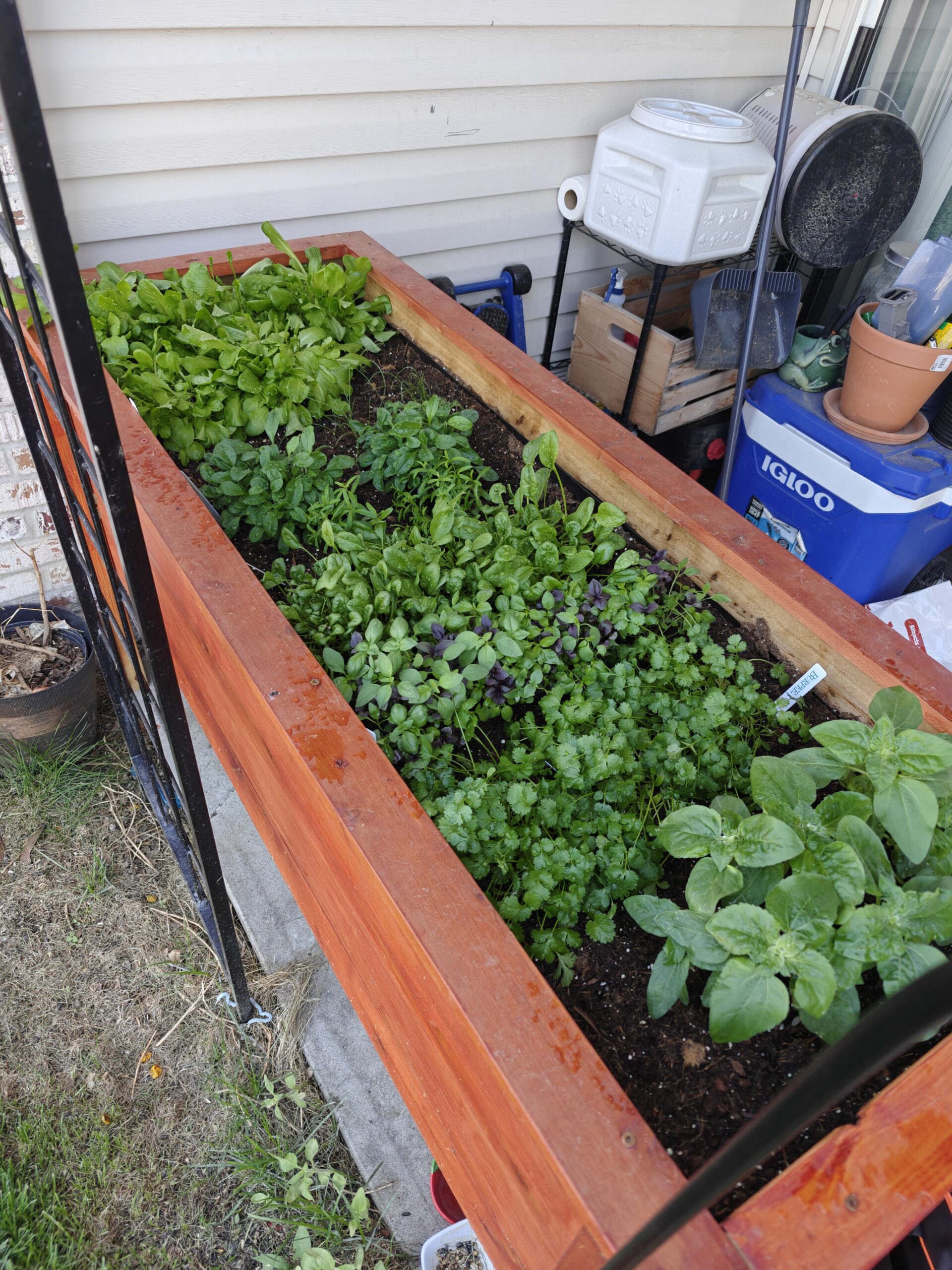
A garden is a grand teacher. It teaches patience and careful watchfulness; it teaches industry and thrift; above all, it teaches entire trust.
–Gertrude Jekyll
When I first took up gardening a few years ago, I figured it couldn’t be that hard. Just throw some seeds in the dirt, sprinkle a little water, and boom salad. Easy, right?

It turns out that growing plants successfully requires more than casual optimism and a watering can. It takes patience, consistency, and most importantly precision. Too much water? Dead plants. Too little? Also dead plants. As someone who works odd hours as a mainframe operator, I quickly learned that remembering to water my plants at the right time every day wasn’t exactly my strong suit. So I did what any tinkering nerd would do, I spend hours building something so I wouldn’t need to spend seconds doing something and automated it.
Water PI v1
The first version of my automated watering system was basic but surprisingly effective. I repurposed an old Raspberry Pi 2 B to control a 5V relay via the GPIO pins, which toggled a small fish tank pump at set times of the day. The pump sat at the bottom of a 5-gallon bucket and pushed water through a 3/8″ tube. I had pinched the end of the tube shut and drilled holes along its length to create a DIY sprinkler. All of this was controlled by a Python program I wrote and setup as a service so it always ran. I could also SSH and send a command to get it to run for an extra cycle if it was a rather dry day.
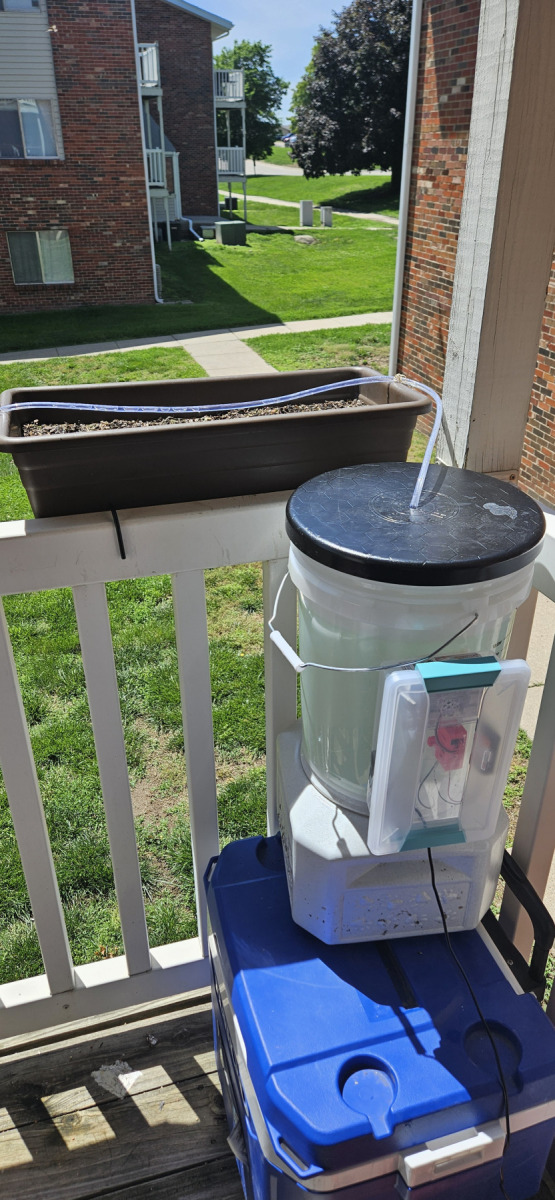
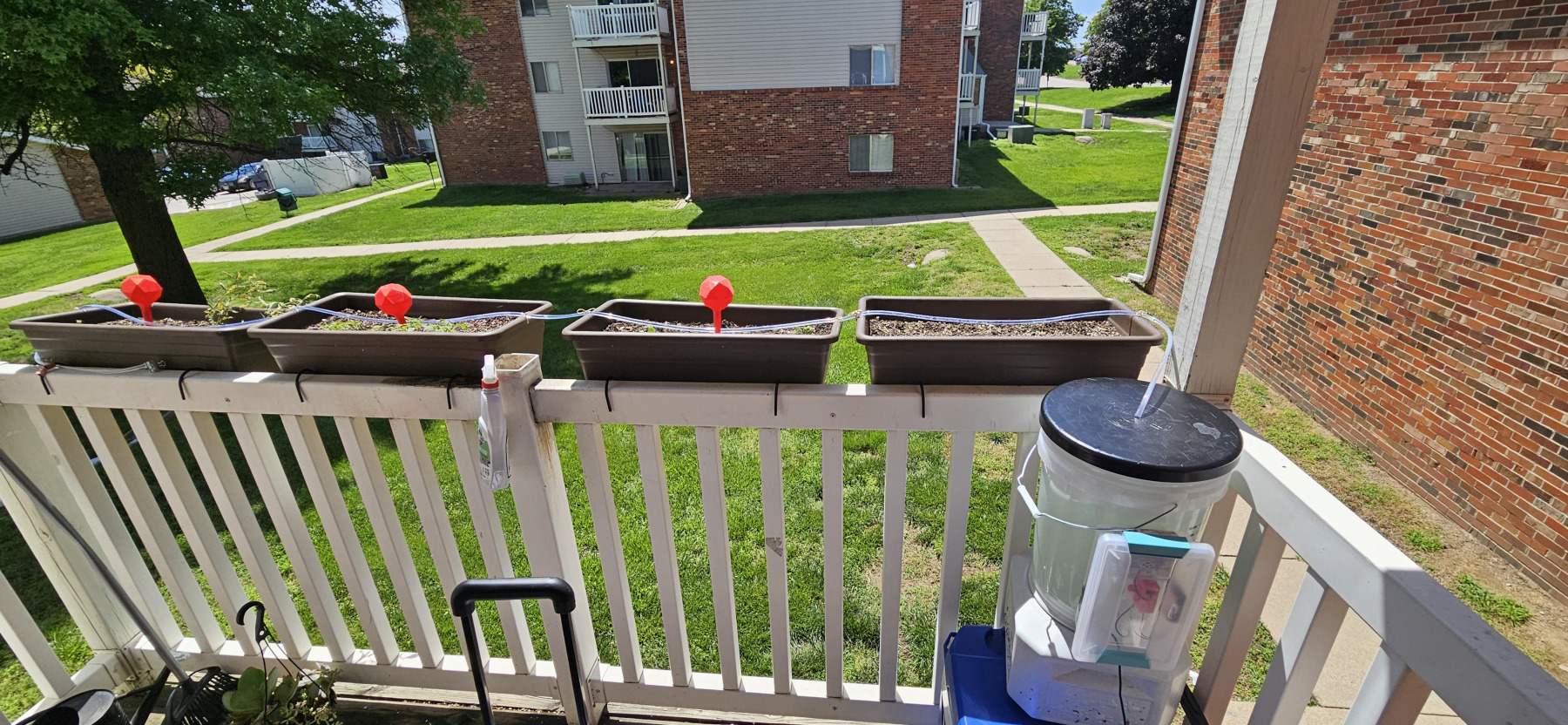
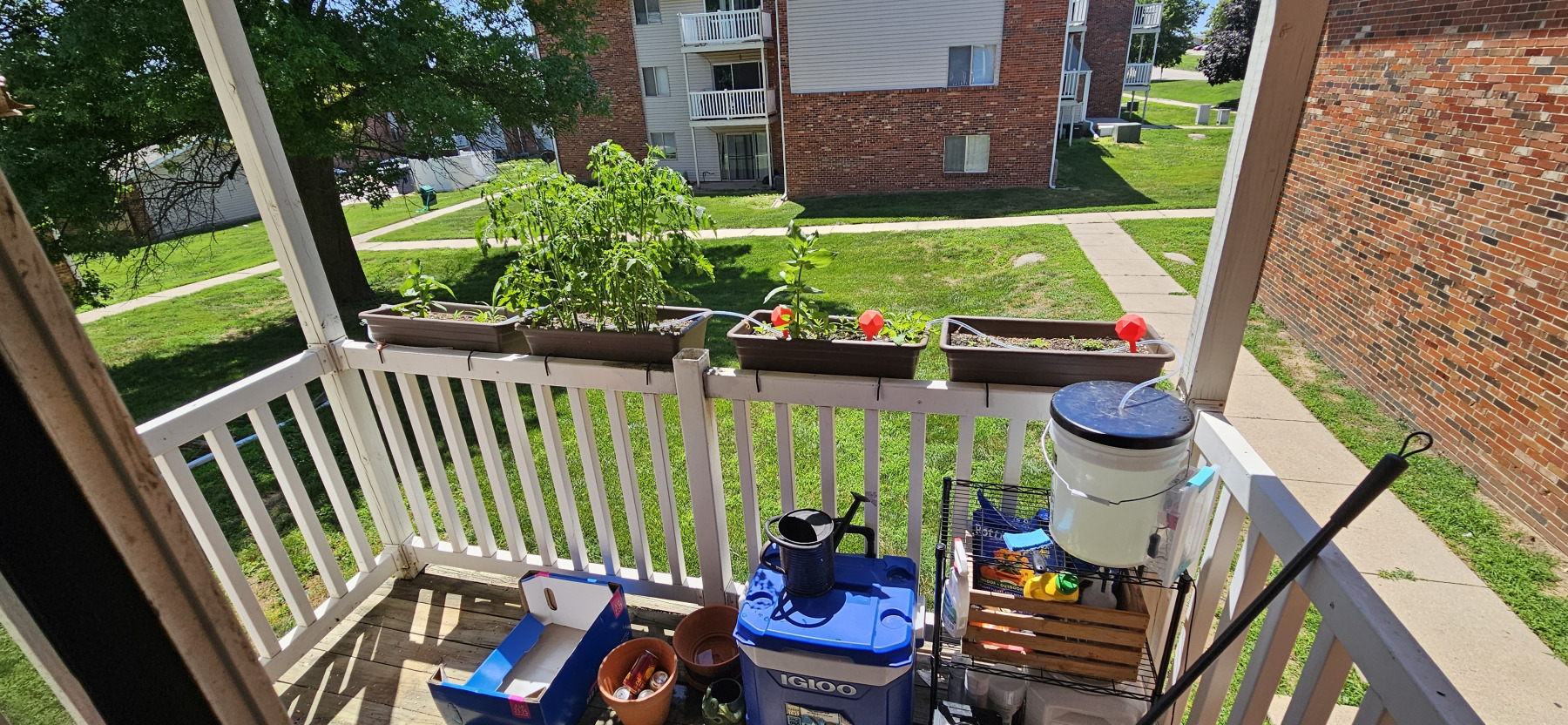
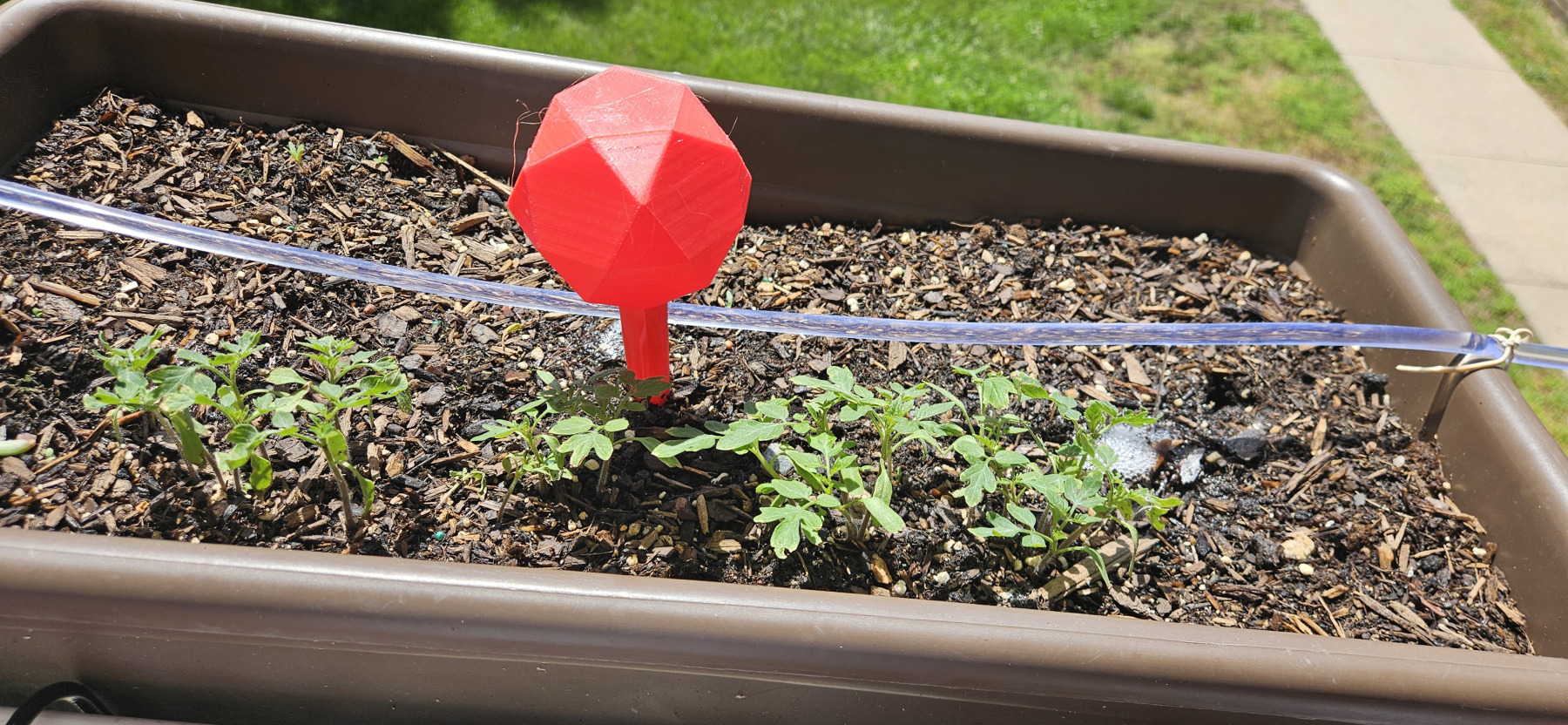
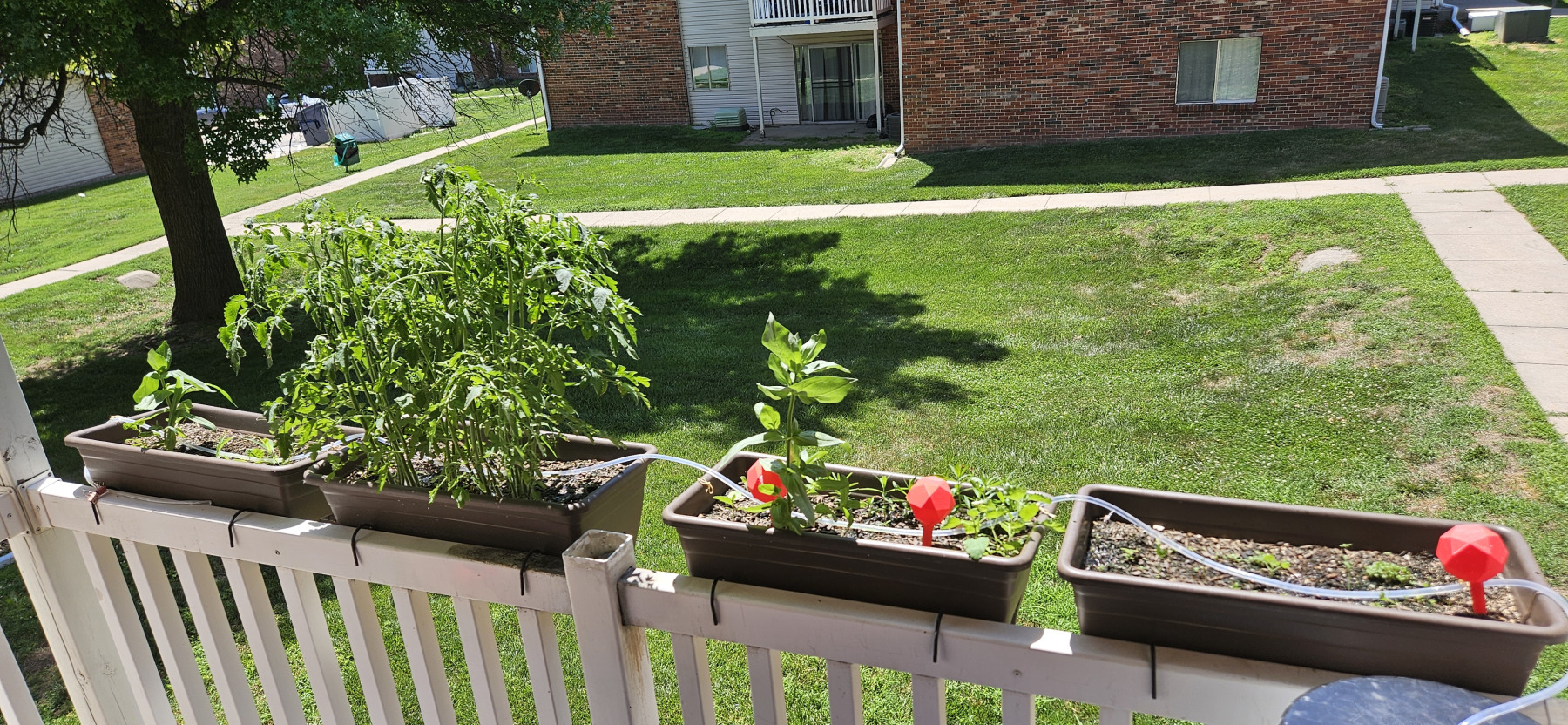
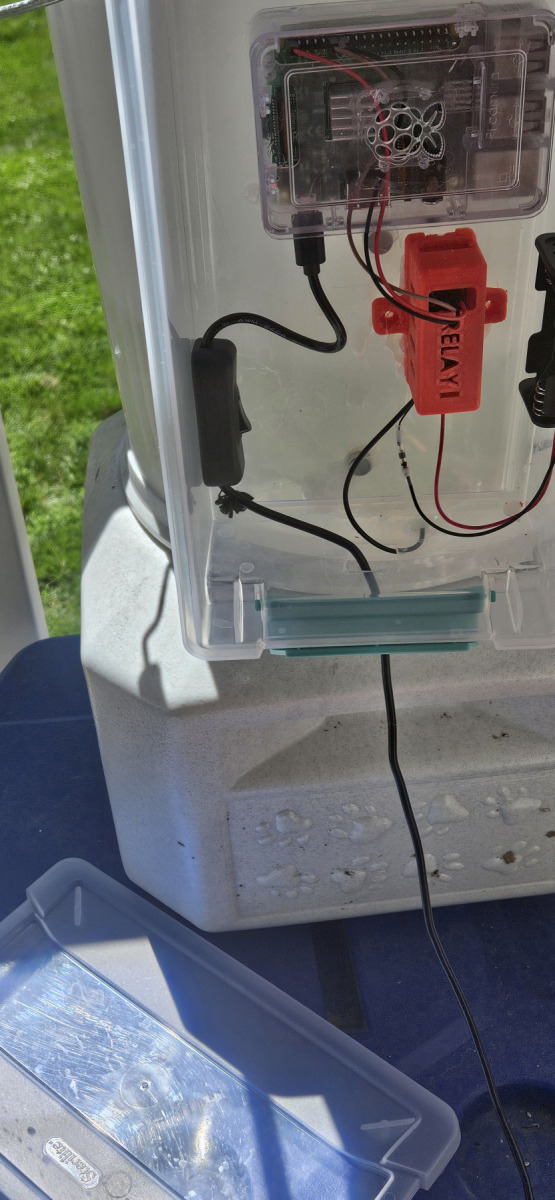
It wasn’t elegant, but it worked. My plants got watered, and I didn’t have to think about it. That is, until a summer storm rolled in and decided to conduct a field test, in destruction. Water Pi v1, with its exposed wires and hot-glued components, was utterly torn apart. The setup had served its purpose, but it was no match for wind, rain, and poor weatherproofing.

Grow Lights
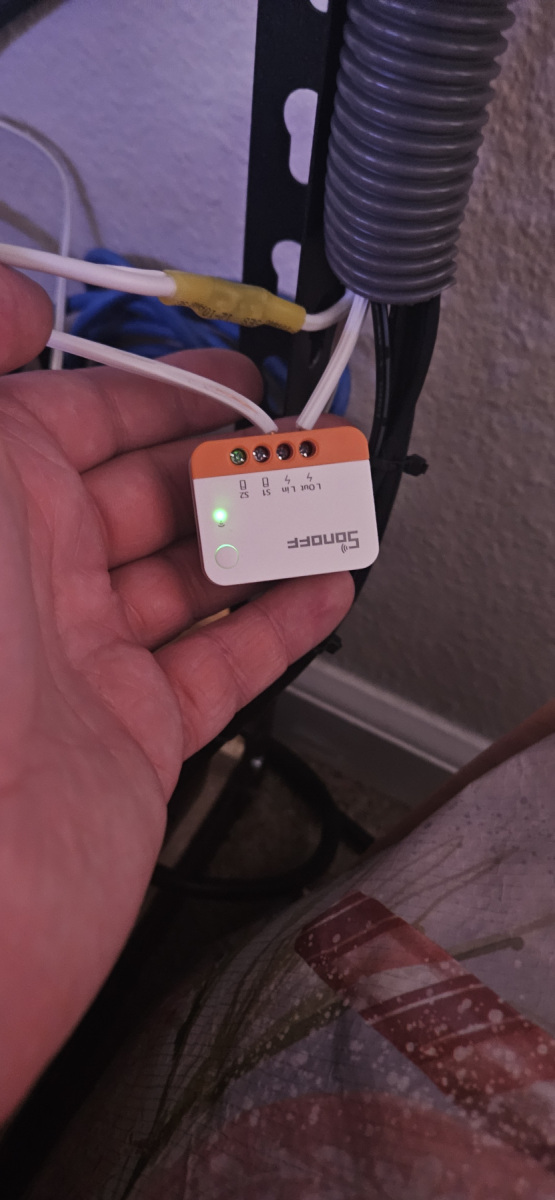
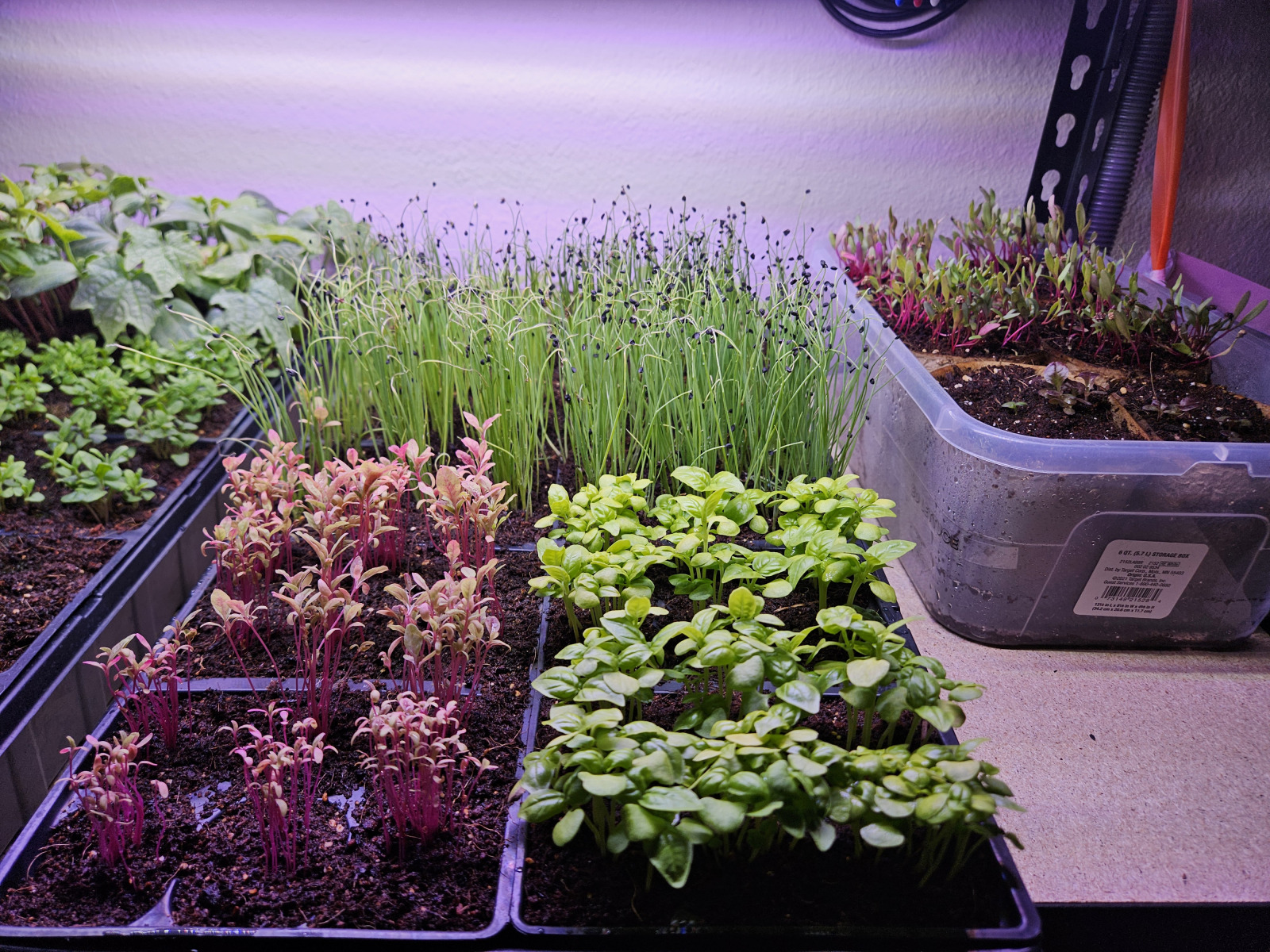
Over the winter, I expanded the system indoors to start seedlings early. I picked up some budget-friendly grow lights from the local Home Depot and spliced in a Sonoff Zigbee relay to automate them through my Home Assistant setup. Now, the grow lights are part of my daily automation routines, turning on and off precisely when the seedlings need them, no more guessing or timers.
Water PI v2
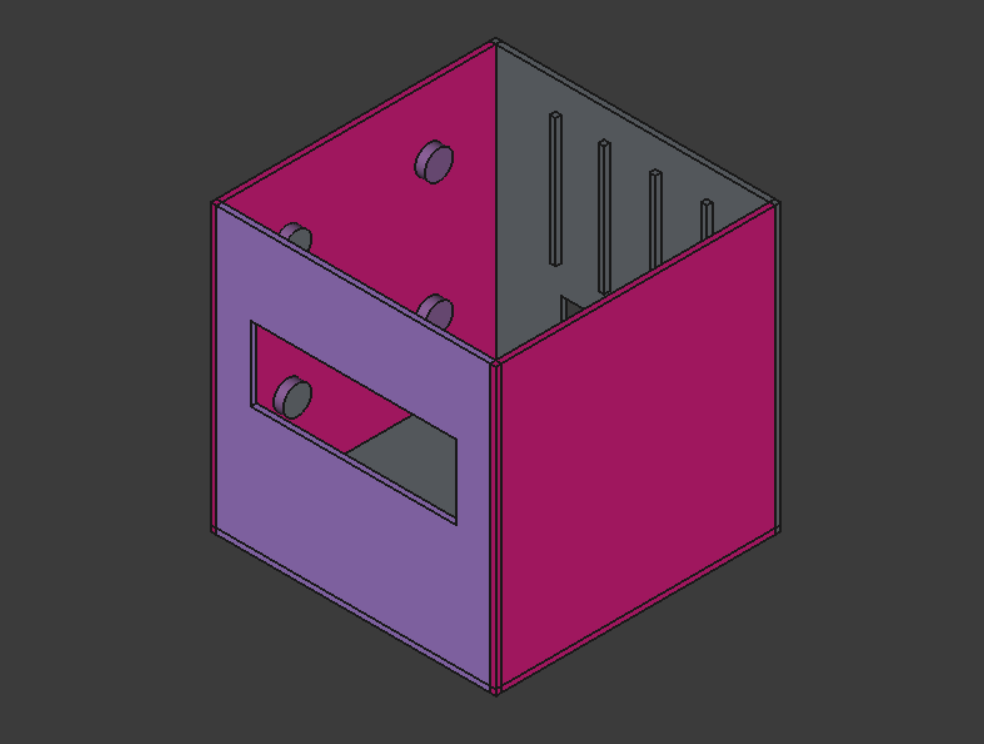
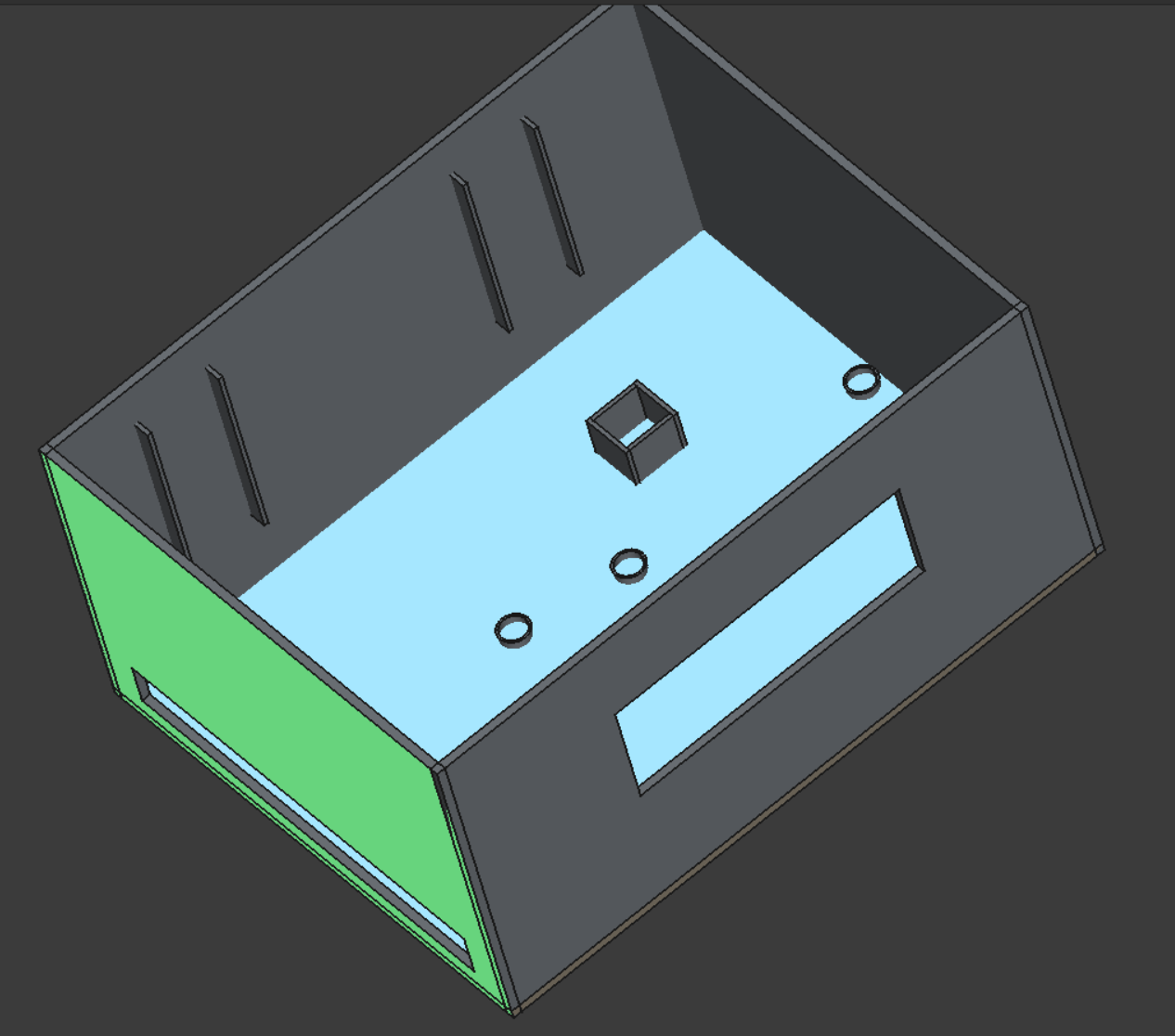
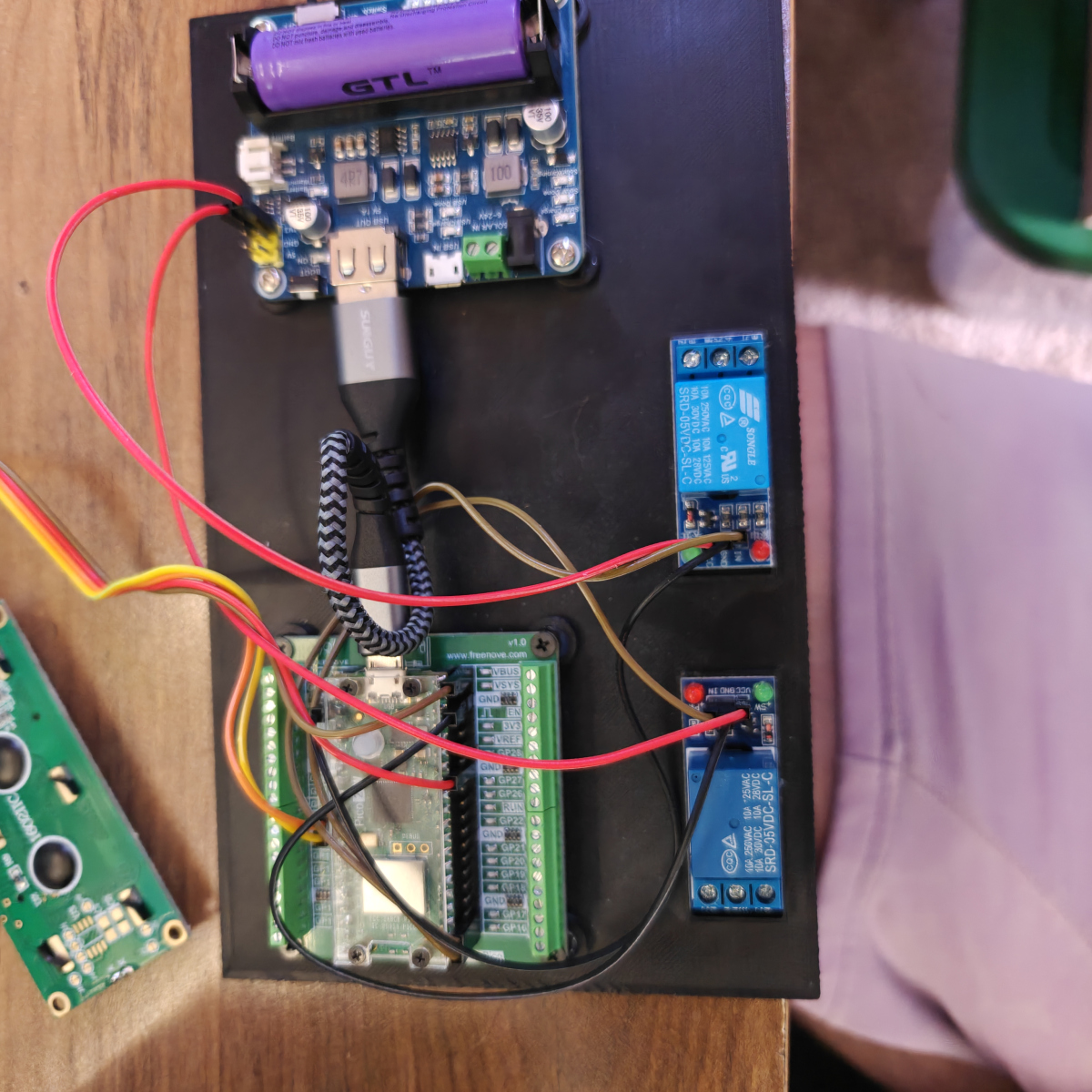
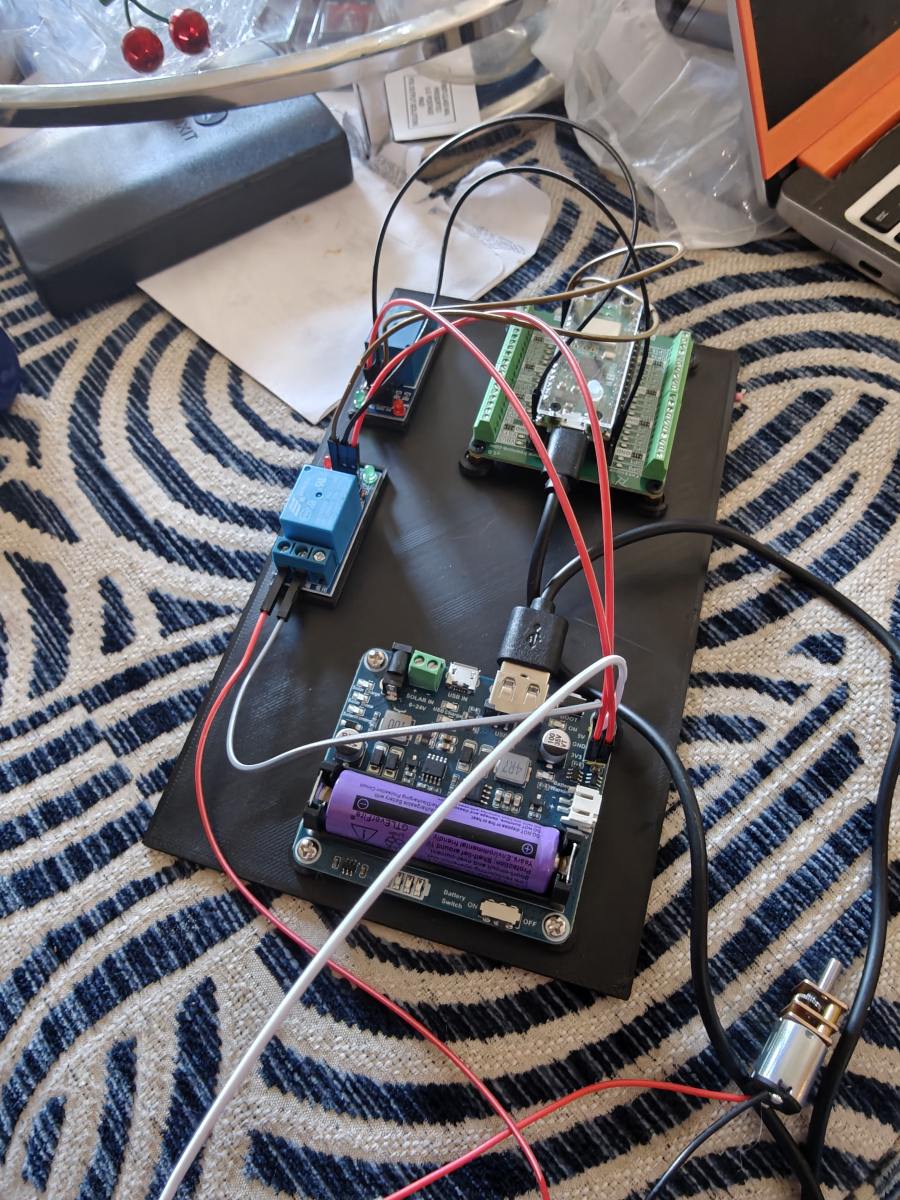
This year, I’m rebuilding the system from the ground up to be more scalable, energy-efficient, and portable. Enter Water Pi v2 the next-generation watering node powered by a Raspberry Pi Pico 2W and a Waveshare power board, all mounted inside a 3D-printed (possibly weather-resistant) enclosure that I’m designing in FreeCAD.

One of the main improvements is the addition of a motorized stirring mechanism. In my previous setup, stagnant water in the tank sometimes led to algae growth, which eventually caused blockage issues. This new version includes a dedicated motor to stir the tank periodically, helping keep the water clean and flowing consistently.
The watering function itself is now handled by a larger pump, again controlled via a relay module. The Pico 2W listens on a dedicated TCP port and receives instructions from a Python-based server program running on my home server. This server sends commands like pump:2000 or stir:1500 to toggle the corresponding relay for a specified duration (in milliseconds).
To make the system more user-friendly and easier to diagnose, I’ve added a small I2C LCD to the node. It displays real-time status updates, such as the current system state and any received commands. Eventually, I plan to have the screen cycle through useful device information like IP address, battery level, and more — helpful for debugging and at-a-glance monitoring.
Power-wise, the system is designed to be solar-powered. I’m using a solar charging controller and a LiPo battery to allow the node to run independently. The pump, due to its higher power draw, is still powered by an external wall source. I also plan to design a custom bracket to mount the solar panels directly on top of the node’s housing for an all-in-one footprint.
The firmware for the Pico is written in C to give me finer hardware control and to sharpen my embedded systems skills. On the other hand, the server is written in Python, which should make it easier to get it integrate in to a nice and neat front end, or so I hope. Currently, the UI is a terminal-based menu, but I plan to expand it into a web interface. Long term, I’d like the server to manage a database to support multiple nodes, allowing for more scalable deployment and organization.